Planning to explore Kenya’s amazing attractions in a well-equipped 4×4 safari vehicle is a great idea. It gives you freedom and a sense of adventure. However, driving in the “Cradle of Mankind” takes more than just excitement—you also need to prepare well and understand the local environment.
To help you have a memorable self-drive adventure to Kenya, we have made a simple self-drive checklist. Whether you face sudden rain on the savannah or come across wildlife on the road, these tips will help make your Kenyan safari enjoyable and unforgettable.
Unpredictable weather
When visiting Kenya on self-drive safari, a good preparation can make your safari more memorable and more enjoyable. Most travellers think the weather in Kenya is always sunny, but that is not true. The weather can change quickly. A sunny morning can turn into rainy day in a short time.
To stay comfortable on your safari to Kenya, pack warm and waterproof clothes. These will help `you stay dry and warm during cold mornings and sudden rain. The other things you should not forget when going to a self-drive safari in Kenya are, the hat to protect you from the sun, gloves for early morning drives when it is very cold, and strong shoes for walking on rough ground. Having the right clothes will make your safari enjoyable even when the weather changes.
What you need to have in the car
Once you hire a 4×4 in Kenya, make sure you check the fallowing in items in the car to avoid being disturbed by traffic police on the road and also for your safety. Among the things that should not miss in the car in your 4×4 include, a first aid kit, two reflector triangles, spare tyre and the tools to change it, flash lights and other.
Maintain Moderate Speed
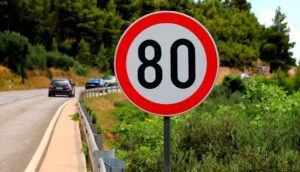
Speed Limit Sign in Kenya
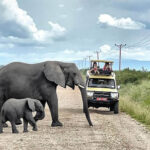
The another thing always to have in main when you are on your self-drive safari in Kenya is to maintain a moderate speed because its more than a safety rule—it is a necessity for coexisting with the local environment. When driving in Kenya you should not be surprised when you find wildlife and livestock, including sheep, donkeys, cows, and goats in the road so that why we recommend driving carefully and maintaining a reasonable speed.
When driving in village areas in Kenya there are chances of sudden movement of animals from the bush to the road; therefore, driving slowly ensures you have enough reaction time to avoid collisions. Keeping a safe braking distance protects both your rental vehicle and the livelihoods of local herders. By slowing down, you reduce dust levels, respect rural communities, and truly soak in the breath-taking scenery.
Local Traffic Laws and Road signs
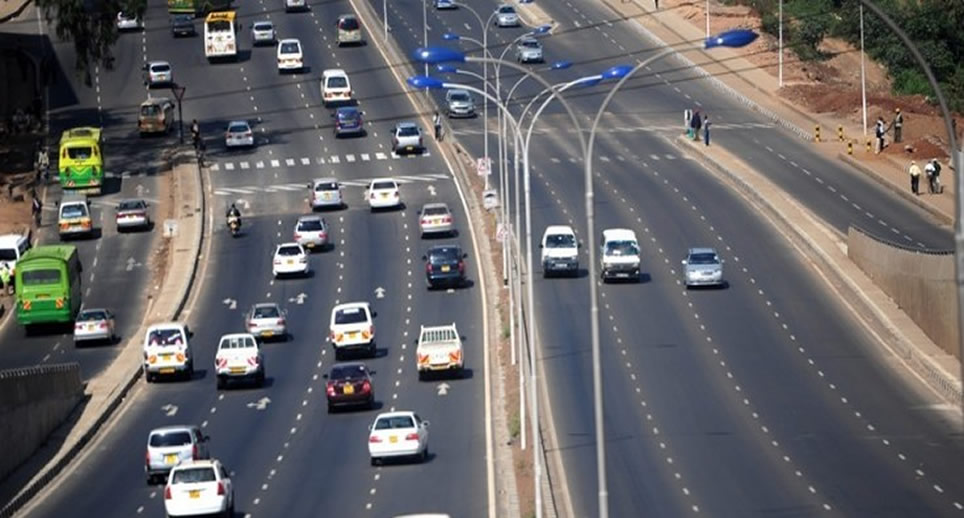
Going on a self-drive safari in Kenya requires more than just a valid license; it also need better way deal with the local driving culture. Since Kenya follows the keep-left rule, in case you coming from a country where they keep right, your spatial awareness must adjust quickly, especially at busy roundabouts.
Familiarize yourself with the standard Kenyan road signs, which follow international conventions though they are not many in rural areas. Be vigilant about speed limits which are 100 km/h on highways and 50 km/h in town centres—as traffic police always use mobile speed cameras. Also, know that the “right of way” rules are not always strictly followed. It is safer to give way to big trucks and public vehicles like matatus, because they can move suddenly and in unexpected ways. Understanding this will help you have a safer and a memorable self-drive safari to Kenya’s amazing destinations.
Drive safely
Drive carefully on Kenya’s left-hand roads. Watch out for unmarked speed bumps and animals on the road. Plan your safari well so that you don’t drive before the sunset, since it’s harder to see at night.
For a better experience, use a reliable 4×4 vehicle. Keep your doors locked when driving in towns, and carry a local SIM card to help in google map and easy communication with your service provider like the car rental agencies, accommodation and other.